Why Your Gut Needs a Reset
If you’ve been feeling bloated, sluggish, or just “off,” your gut might be calling for attention.
Your gut microbiome — trillions of bacteria living in your digestive tract — affects far more than digestion. It influences your mood, immunity, hormones, and energy.
Modern habits like stress, ultra-processed foods, and disrupted sleep can throw this delicate ecosystem out of balance.
The good news? Your body can reset naturally — no restrictive cleanses or expensive powders required.
(Learn more about what an unhealthy gut looks like in our Gut Check: How to Recognize and Improve an Unhealthy Microbiome blog.)
Step 1 | Feed Your Gut Diverse Plant Foods
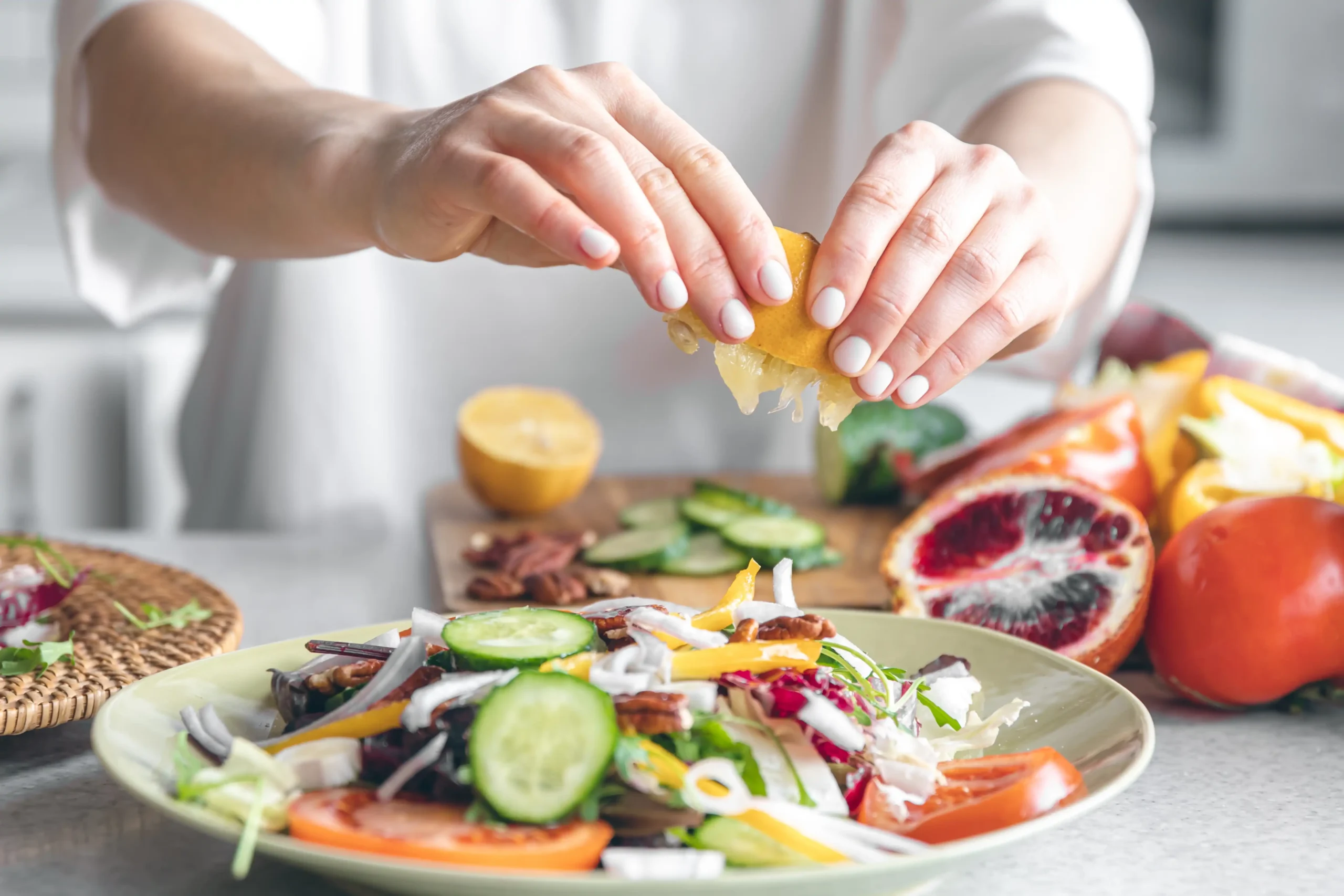
The microbiome thrives on diversity. Different bacteria feed on different fibres — the more variety you eat, the more resilient your gut becomes.
Aim for 30 plant-based foods per week (fruits, veggies, legumes, nuts, seeds, herbs, and grains).
Add colour to every plate — think “eat the rainbow.”
Fibre acts as a natural prebiotic, fuelling beneficial bacteria that support digestion and hormone balance.
Dietitian tip: Rotate your grains — swap brown rice for quinoa or barley — to give your gut something new to feed on.
(Explore our plant based meal plans
Step 2 | Support Your Microbiome with Probiotic Foods
Once you’ve fed the good bacteria, help them grow stronger.
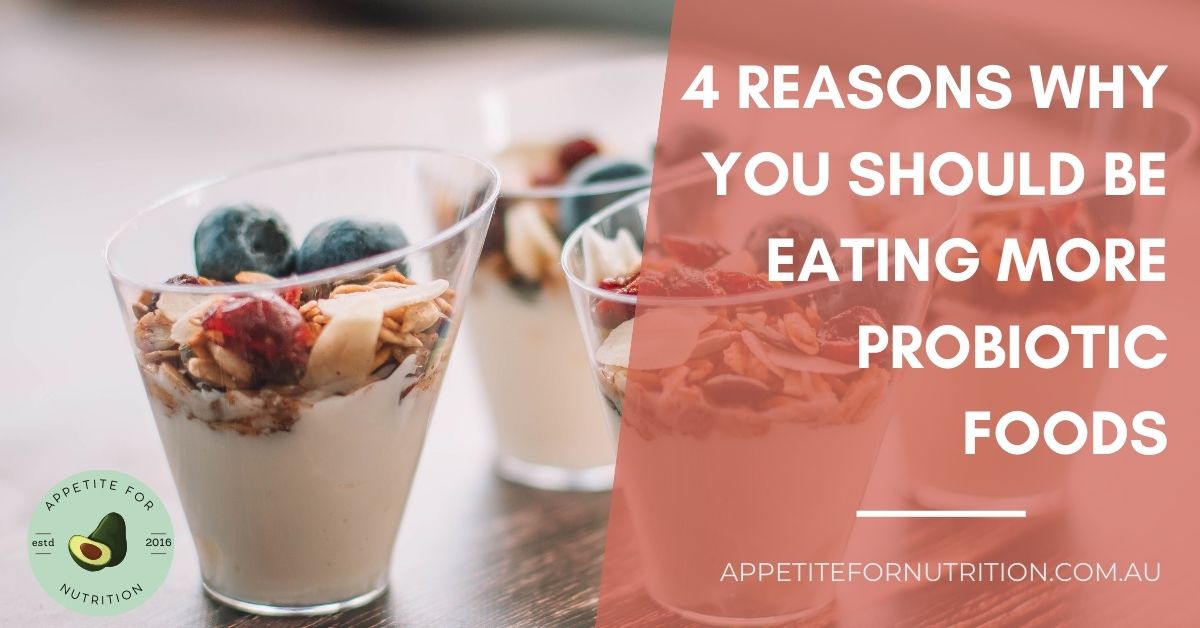
Fermented foods naturally contain probiotics that maintain microbial balance.
Include small, consistent servings of:
Yoghurt or kefir with live cultures
Sauerkraut, kimchi, or miso
Tempeh or fermented soy products
Step 3 | Balance Stress, Sleep and Movement
Your gut and brain constantly “talk” through the gut-brain axis — so your mental state affects your digestion.
Chronic stress, poor sleep, and inactivity can alter gut bacteria and increase inflammation.
Move daily: Even gentle activity (like walking or stretching) supports digestion.
Prioritise rest: Aim for 7–8 hours of quality sleep.
Manage stress: Breathing exercises, mindfulness, or journaling can help regulate the gut–brain connection.
(Discover how mental wellbeing and digestion connect in The Gut–Brain Connection.)
Step 4 | Stay Hydrated
Water helps fibre do its job — softening stool and moving waste efficiently.
Aim for 2–2.5 L per day, and increase intake if you’re active or live in a hot climate.
Add herbal teas, infused water, or watery foods like cucumbers and watermelon for variety.
Quick fix: Start your morning with a glass of warm water and lemon to gently stimulate digestion.
Step 5 | Rethink “Gut Detox” Marketing
Many products promise instant gut repair, but your body doesn’t need a detox — it needs support.
Whole foods, movement, and rest do more for your gut than any quick-fix cleanse.
Our dietitians focus on evidence-based, sustainable habits, not gimmicks — because that’s what truly works long term.
💚 Ready to Reset Your Gut — the Right Way?
You don’t need a detox or a strict elimination plan — you just need a plan that works for you.
At Appetite for Nutrition, our NDIS-registered dietitians help you make sense of gut symptoms, food triggers, and microbiome health using evidence-based care, not trends. Whether you’re managing bloating, IBS, or digestive changes linked to hormones or medication, we can help you feel your best again.
👉 Book a consultation with a dietitian today to start your personalised gut-health plan.
We offer support both in-person across Melbourne and Australia-wide via Telehealth — so you can feel good from the inside out.
(You might also like: Craving Takeaway? Discover the Healthiest Options at Australia’s Top Chains!
Key Takeaway
Small, consistent steps create lasting gut change — not drastic diets.
Eat fibre-rich foods, add probiotics, sleep well, manage stress, and hydrate.
Your microbiome will reward you with better digestion, stronger immunity, and more energy every day.