





Healthy Foundations Through Thoughtful Nutrition & Menu Planning
Balanced, age-appropriate nutrition designed to support healthy development and learning.

We support early learning centres, schools (including boarding schools), and out-of-school hours care (OSHC) programs with practical, compliant, and child-focused nutrition solutions.
Our Promise
Helping children thrive
We work to support the delivery of nutrition that promotes healthy growth, concentration, and positive eating habits during important developmental years.
Food fuels learning & behaviour
Nutrition guidance that supports steady energy, focus, and behaviour, helping children feel nourished and ready to engage throughout the day.

Inclusive, regulated menus
Menu support that meets guidelines, manages allergies and dietary needs, and ensures every child can safely enjoy balanced meals.

Our key services
Our Registered Dietitians provide practical, evidence based nutrition guidance that supports children’s wellbeing, inclusion, and positive eating experiences in everyday care.

Menu Creation & Review
We develop seasonal menus tailored to children and review existing menus to support alignment with national and state-based guidelines, including the Healthy Eating Advisory Service (HEAS), Munch & Move, and the Australian Dietary Guidelines.
- Our reviews also support centres to meet requirements under the National Quality Framework (NQF).
- Our reviews cover:
- Balanced nutrition & age-appropriate portion sizing
- Alignment with childcare menu planning guidelines
- Allergy and intolerance management
- Cultural respect & inclusivity
- Practical, cost-effective recommendations for centres


Individual Considerations
Our dietitians support children with allergies, fussy eating, chronic conditions, or growth concerns.
- Practical support to keep meals safe and inclusive
- Gentle strategies to support selective eating
- Nutrition care for chronic condition management
- Collaboration with families and educators to support safe participation in meal programs

Recipe Development & Modification
We create child-friendly recipes that are simple for staff to prepare and budget-friendly for centres.
- Child-friendly recipes that are appealing, familiar, and nutritionally balanced
- Simple recipes designed for easy preparation by centre staff
- Budget-conscious meal ideas that suit childcare settings
- Recipe modifications to accommodate allergies, intolerances, and medical needs
- Inclusive meal options that respect cultural and dietary requirements

Staff Training & Education
We provide training for educators, canteen staff, and kitchen teams on child nutrition, food safety, allergy management, and compliance.
- Practical nutrition training
- Guidance on food safety, allergy management, and risk reduction
- Support with age-appropriate meal textures, including infant foods
- Education aligned with childcare nutrition standards and compliance requirements
- Confidence-building sessions focused on everyday food service practices

Consultancy & Implementation Support
We work with managers, chefs, and educators to apply nutrition guidelines in daily practice.
- Collaborative support
- Practical guidance to apply nutrition guidelines in daily operations
- Review of menus and kitchen processes against best practice
- Clear action plans to support consistent implementation
- Ongoing support to maintain quality and compliance

Additional Services
We also offer supermarket tours, food education sessions with children, and ongoing menu monitoring.
- Guidance for informed food purchasing
- Interactive food education sessions for children
- Menu monitoring and feedback
- Services tailored to the needs of each facility
- Continued dietitian support as requirements change
Nutrition That Supports Learning, Growth and Development
Create food programs that support children at every stage of development. Speak with our dietitians to strengthen your food programs with practical, inclusive guidance.
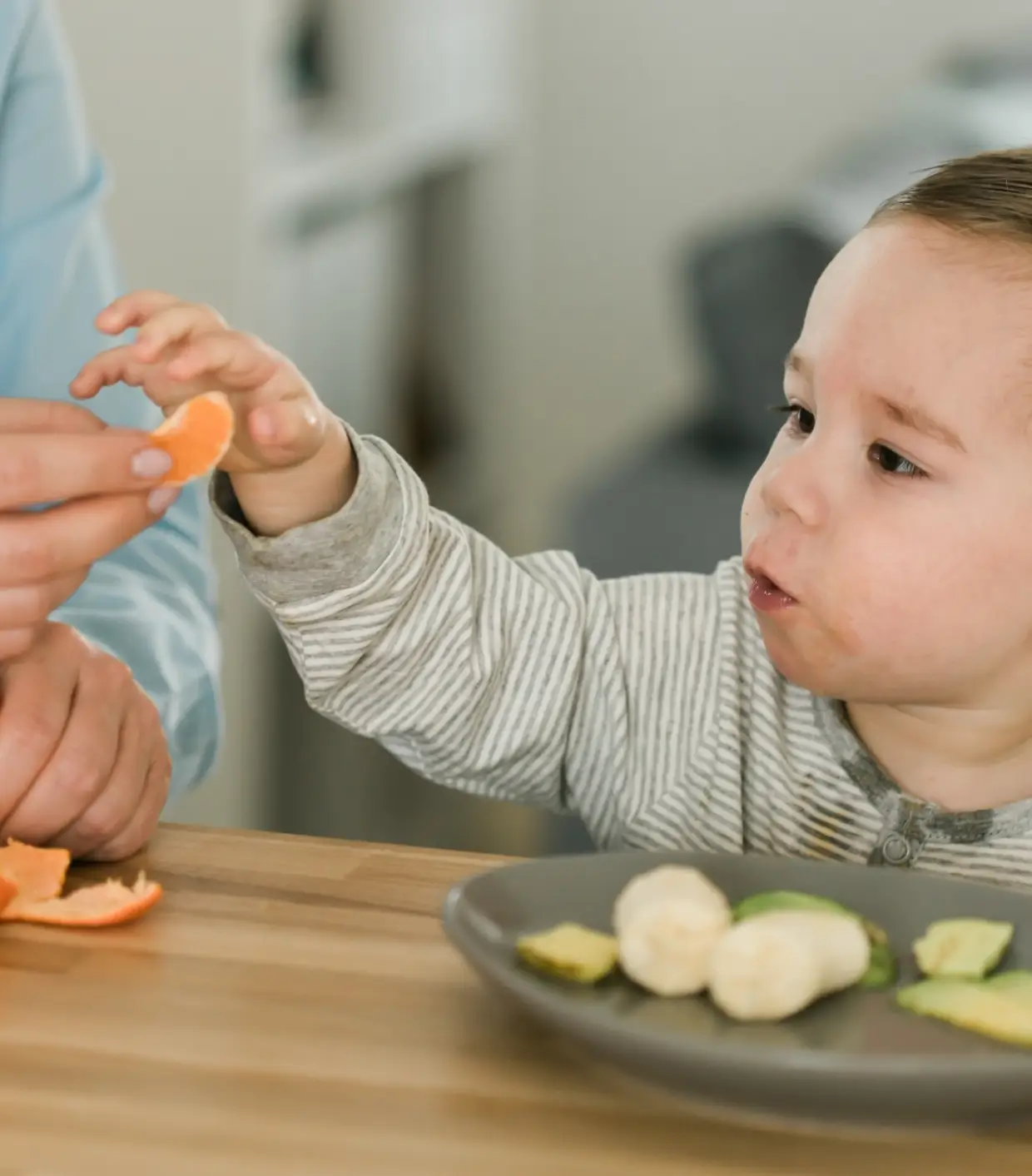
Why Nutrition matters
1 in 4 Australian children is overweight or obese — healthy meals in care and school settings play a key role in prevention. Additionally, childcare centres and schools, provide up to two-thirds of daily nutrition.
- We help childcare and education settings:
- Meet National Quality Standard and ACECQA requirements
- Align with the Australian Dietary Guidelines and state-based menu guidelines
- Ensure safe food practices through compliance with Regulations 77–80
- Provide inclusive, allergy-safe, and culturally appropriate menus
- Build a reputation for quality, compliance, and family confidence
Frequently Asked Questions
Get answers to common questions about our services, appointments, and nutrition support. If you need more information or personalised guidance, our team is always happy to help.
Why is nutrition so important in childcare and school settings?
What is included in a childcare or school menu review?
How can schools ensure their menus meet ACECQA and National Quality Standards?
Can you create recipes suitable for children with allergies or cultural needs?
How do you tailor services to different settings?
Can you support communication with families?
Do you support children with sensory or feeding challenges?
Yes. Our dietitians provide guidance to support children who experience sensory sensitivities, limited food acceptance, or feeding challenges. Recommendations focus on safety, nourishment, and gradual progress, while supporting staff to feel confident and consistent in their approach during meals and snacks.