The human microbiome — a complex ecosystem of trillions of microorganisms residing in your gut — plays a vital role in your overall health.
A balanced gut microbiome supports digestion, boosts immunity, regulates mood, and even impacts weight management.
However, when this delicate balance is disrupted, it can lead to a range of health issues. Below, we’ll explore the signs of an unhealthy microbiome and practical, evidence-based ways to improve your gut health.
Recognizing the Symptoms of an Unhealthy Microbiome
1. Digestive Problems
Symptoms: Bloating, gas, diarrhoea, constipation, or IBS.
Explanation: When harmful bacteria outnumber beneficial ones, digestion and nutrient absorption are disrupted, causing discomfort and irregularity.
2. Frequent Illnesses
Symptoms: Regular colds, flu, or infections.
Explanation: Since about 70% of your immune system is located in the gut, poor microbial diversity can weaken immune defences.
3. Skin Issues
Symptoms: Acne, eczema, or rashes.
Explanation: The gut–skin axis links microbiome balance to inflammation and skin health.
4. Mental Health Concerns
Symptoms: Anxiety, depression, and mood swings.
Explanation: The gut–brain axis connects your digestive system and nervous system. Imbalances can affect neurotransmitter production and mood regulation.
5. Weight Fluctuations
Symptoms: Unexplained weight gain or loss.
Explanation: Gut bacteria influence metabolism, insulin sensitivity, and energy regulation.
6. Chronic Fatigue
Symptoms: Persistent tiredness and low energy.
Explanation: Chronic inflammation and poor nutrient absorption can contribute to fatigue and sluggishness.
7. Food Intolerances
Symptoms: Discomfort, bloating, or diarrhoea after eating certain foods.
Explanation: Dysbiosis (imbalance in gut bacteria) may reduce your tolerance to specific ingredients.
Essential Tips to Improve Your Microbiome
1. Diversify Your Diet
A wide variety of foods supports a more resilient microbiome.
Tip: Include fruits, vegetables, whole grains, nuts, and legumes daily.
2. Consume Fermented Foods
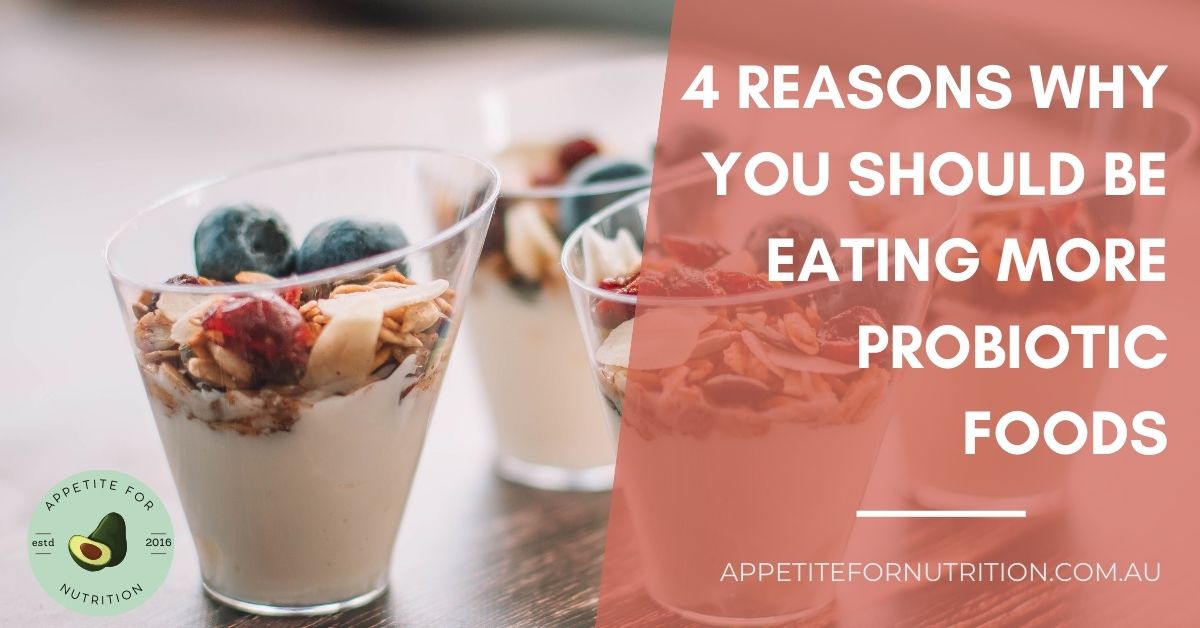
Foods like yoghurt, kefir, sauerkraut, kimchi, and kombucha are rich in probiotics, which help restore beneficial gut bacteria.
Tip: Add one serving of fermented food to your diet each day.
3. Increase Fibre Intake
Fibre feeds beneficial bacteria and supports regular digestion.
Tip: Eat fibre-rich foods such as oats, beans, lentils, and leafy greens.
4. Stay Hydrated
Hydration supports digestion and maintains the intestinal lining.
Tip: Aim for at least 8 glasses of water daily.
5. Limit Sugar and Processed Foods
Sugar and ultra-processed foods encourage the growth of harmful bacteria.
Tip: Choose whole, nutrient-dense foods and minimise sugary drinks and snacks.
6. Manage Stress
Stress can alter your gut bacteria and digestion.
Tip: Try yoga, deep breathing, or mindfulness to calm your body and mind.
7. Exercise Regularly
Physical activity boosts microbiome diversity.
Tip: Aim for 30 minutes of movement most days — even a brisk walk helps.
8. Consider Probiotic Supplements
Probiotic supplements can help restore gut flora, especially after antibiotics.
Tip: Always consult your dietitian or healthcare provider before starting new supplements.
Why Seeing a Dietitian Helps
Your gut microbiome is unique — and so are your dietary needs.
An Accredited Practising Dietitian can:
Assess your gut symptoms and food triggers
Design a tailored gut health meal plan
Recommend the right probiotic foods or supplements
Guide you through restoring balance safely and effectively
If you’re struggling with digestive issues, food intolerances, or low energy, a dietitian can help you find lasting relief with a personalised, science-backed plan.
We offer both general nutrition consults and specialised eating disorder dietitian support, available online and in person across Brisbane, Gold Coast, Melbourne, Shepparton, Bendigo and Albury-Wodonga.
Contact Appetite for Nutrition today for individual consults or tailored meal plans designed to help you eat well and feel your best.
Conclusion
A healthy microbiome is essential for digestive, immune, and mental well-being.
By recognising the signs of imbalance and making small, consistent dietary and lifestyle changes, you can strengthen your gut health and boost overall vitality.
Remember — progress takes time. Focus on nourishing your gut daily and seek professional guidance if symptoms persist.
Learn More
Explore more from Appetite for Nutrition:
This blog was last updated October 2025.