

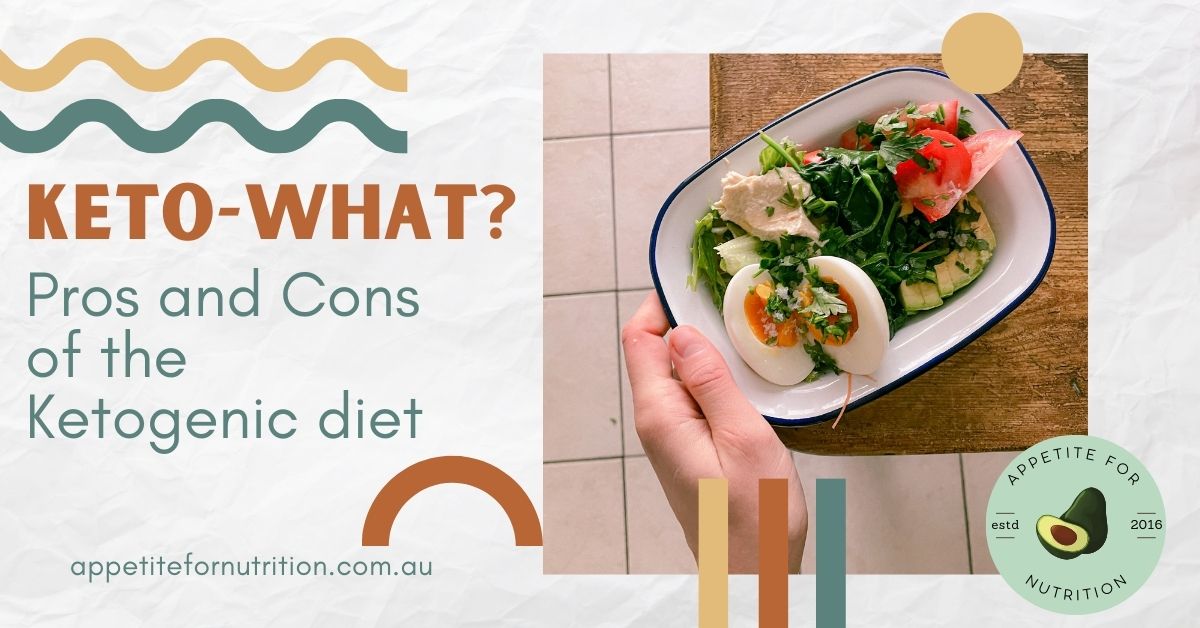
Keto-what? – Pros and Cons of the Ketogenic diet
Understanding the Keto Diet You’ve probably heard of the keto diet — a popular way




Protein is not just another nutrient after bariatric surgery — it is the foundation of long-term success.
After rapid weight loss, the body is at risk of:
Lean muscle loss
Slowed metabolism
Fatigue and weakness
Hair thinning
Poor wound healing
That’s why nearly every bariatric program emphasizes protein first.
According to the American Society for Metabolic and Bariatric Surgery, inadequate protein intake is one of the most common nutritional challenges after surgery — and one of the biggest barriers to sustained results.
Most bariatric patients require:
60–80 grams per day (minimum)
Up to 100 grams per day for:
Active individuals
People with higher lean mass
Patients experiencing muscle loss
💡 Protein needs are individualized, but falling below 60 g/day consistently increases the risk of complications.
Need recipe inspiration, check out our recipe ebook: High Protein Living: 120 Delicious Recipes for Better Health
Bariatric surgery creates a catabolic state, meaning the body breaks down tissue faster than usual.
Protein helps:
Preserve lean muscle mass
Maintain resting metabolic rate
Support immune function
Promote satiety and appetite control
Without adequate protein, the body may break down muscle instead of fat — leading to plateaus or weight regain.
Whole foods provide protein plus vitamins, minerals, and satiety.
High-quality bariatric-friendly options:
Lean chicken or turkey
Fish and seafood
Eggs
Greek yogurt
Cottage cheese
Tofu or tempeh
💡 Aim for 20–30 g protein per meal once tolerating regular textures.
Protein shakes are especially useful:
Early post-op
During busy schedules
If appetite is low
Look for:
≥20 g protein per serving
<5 g sugar
Minimal fillers
Common types include whey, collagen blends, and plant-based options.
Always eat protein before other foods.
Why?
Protein promotes fullness
Prevents overeating carbohydrates
Ensures goals are met before restriction kicks in
Instead of one large portion:
Spread protein across 3 meals + 1–2 snacks
This improves absorption and muscle synthesis
Do you need a meal plan? Check out our high protein meal plans
Protein deficiency doesn’t always show up on labs right away.
Common warning signs:
Fatigue or weakness
Hair thinning or hair loss
Muscle loss
Frequent hunger
Slow healing
If these symptoms appear, protein intake should be reviewed immediately.
❌ Relying only on shakes long-term
❌ Skipping meals
❌ Choosing protein bars high in sugar alcohols
❌ Eating carbs before protein
❌ Assuming “small portions” = enough protein
Protein intake requires planning and intention, especially as appetite decreases.
Low protein intake often leads to:
Increased snacking
Carb-heavy food choices
Loss of muscle mass
Lower calorie burn
Over time, this combination contributes to weight regain — even when total calories seem low.
Do you need high protein snack ideas? check out Healthy Snacks: Simple, High-Protein & Guilt-Free Ideas
You don’t need to hit your protein goal perfectly every day.
You do need:
A protein-first mindset
Reliable go-to foods
Awareness of warning signs
Ongoing nutrition follow-up
When protein intake is consistent, patients report:
Better energy
Improved body composition
Easier weight maintenance
Greater confidence with food
Protein after bariatric surgery is not optional — it’s essential.
When patients understand how much protein they need, why it matters, and how to get it, everything else becomes easier.
Protein supports healing, protects muscle, stabilizes weight, and sets the stage for lifelong success.
We offer:
Meeting your protein goals doesn’t have to feel overwhelming — and you don’t have to figure it out alone.
Working with a bariatric dietitian can help you:
Personalize your protein targets
Identify the best protein sources for your tolerance
Prevent muscle loss and fatigue
Stay on track long-term
Work with a bariatric dietitian today and get a plan tailored to your surgery, lifestyle, and goals.
Working with a bariatric dietitian helps translate protein guidelines into realistic, sustainable habits — especially as your body and lifestyle change after surgery.
Understanding the Keto Diet You’ve probably heard of the keto diet — a popular way
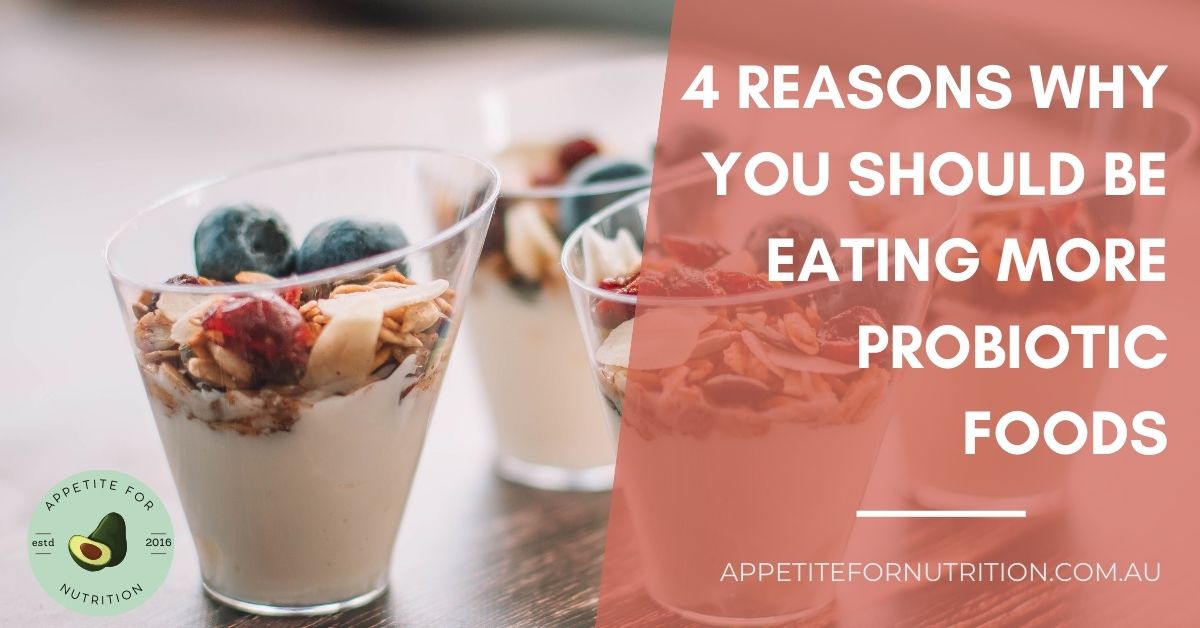
Understanding the Gut Microbiome The gut microbiome is a community of trillions of microorganisms —

When you’re trying to lose weight, sleep is probably the last thing on your mind.

Late-Night Snacking: Why It Happens Many people find themselves eating late at night — not