Eating Out on the Low FODMAP Diet
If you’ve ever followed the Low FODMAP diet, you know that eating out can sometimes feel like a minefield.
With hidden ingredients, complex menus and uncertainty around preparation, it’s easy to feel anxious instead of excited about a meal out.
But eating out is possible — and enjoyable — with a little planning and confidence in how to ask for what you need.
Here’s how to make your night out something to look forward to, not something to dread.
Plan Ahead — Call the Restaurant First
A quick phone call the day before your booking can make a big difference.
Politely explaining your dietary needs and asking which dishes can be modified helps both you and the kitchen feel prepared.
When calling:
Let them know you’re following a Low FODMAP diet for medical reasons (not just preference).
Ask if they can avoid garlic and onion.
Check which menu items are easiest to adapt (e.g. grilled meat or fish dishes).
Ask whether chips or sides are gluten-free and uncoated.
Restaurants are increasingly familiar with dietary needs — a courteous conversation in advance helps ensure a stress-free dining experience.
Choose Simple, Customisable Dishes
When in doubt, go for basic grilled options:
Grilled meat, poultry or fish without marinades or sauces.
Ask for no garlic or onion in the cooking oil, butter, or seasoning.
For sides:
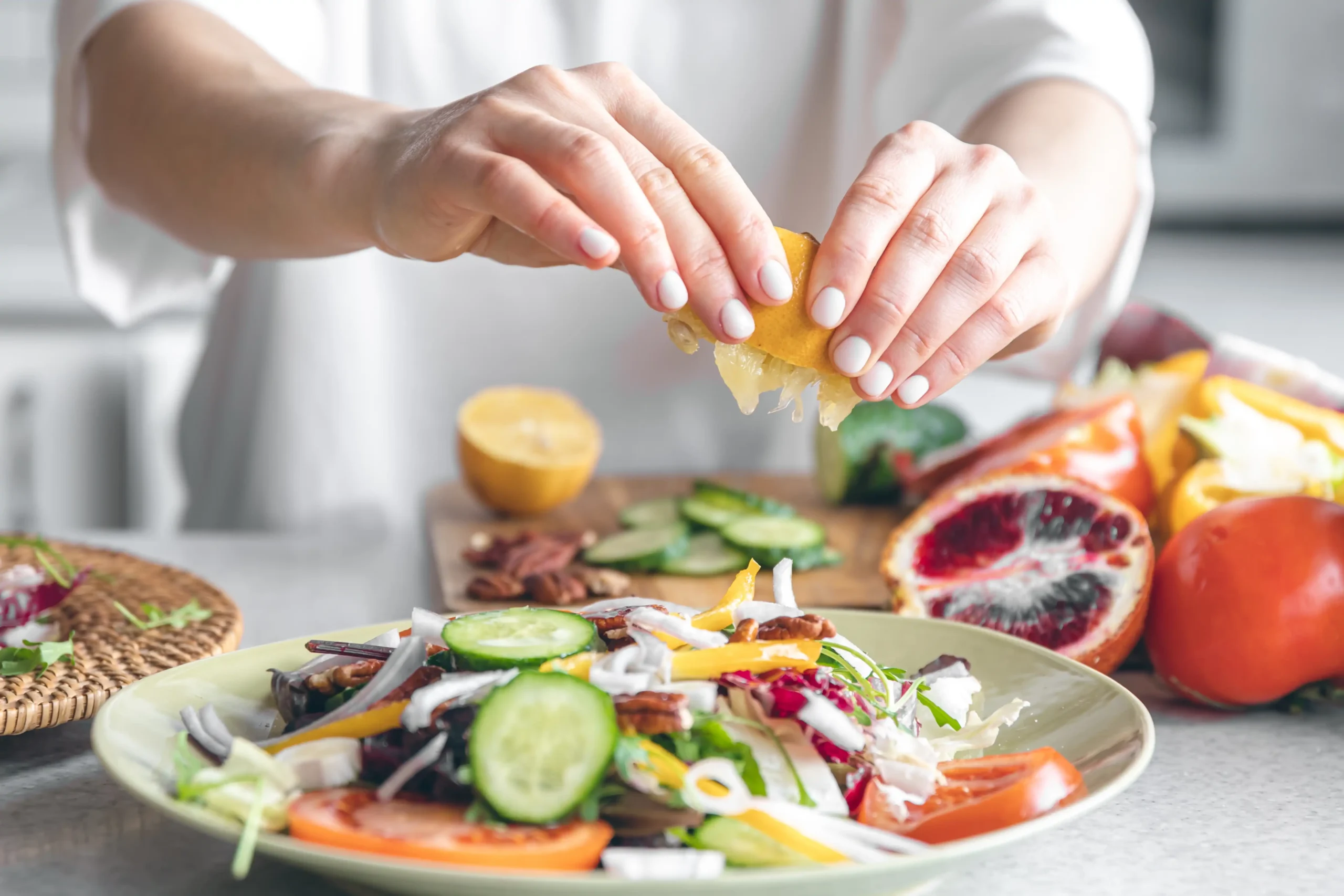
Swap cooked vegetables for a simple salad — lettuce, cucumber, tomato and carrot are safe choices.
Ask for olive oil or lemon juice as dressing.
Avoid pre-made dressings or sauces unless confirmed Low FODMAP.
If vegetables are available, choose from Low FODMAP options and stay within portion limits recommended by the Monash University FODMAP app.
Safe Sides: Potatoes, Chips and Gluten-Free Options
A side of gluten-free chips or baked potatoes can complement your meal nicely.
Be mindful that:
Some restaurants coat their chips in flour, which can contain wheat (High FODMAP).
Always ask if they’re plain fried and gluten-free.
If in doubt, baked or roasted potatoes are the safest choice.
Watch Out for Hidden Ingredients
Even meals that look simple may contain FODMAP triggers behind the scenes.
Be cautious of:
Ground meat dishes, which may include onion or garlic in seasoning.
Sauces and dressings, which often contain onion, garlic or inulin.
Gluten-free meals — they may still include high FODMAP ingredients even if wheat-free.
Pasta or risotto — often made with garlic, onion, cream or mushrooms.
Always check the ingredient list or ask the staff politely about these items.
A Helpful Script for Ordering
If you’re unsure what to say, here’s a simple example:
“Hi, I have to follow a Low FODMAP diet for medical reasons, so I need to avoid garlic and onion. Could I please have the grilled chicken with no marinade, and a salad with plain olive oil?”
Simple, polite and clear — most restaurants appreciate the guidance.
Working with a Dietitian
If you’re finding the Low FODMAP diet difficult to manage, or you’re unsure which foods are safe to reintroduce, a dietitian specialising in IBS and FODMAP management can help.
A dietitian can:
Personalise your food plan for your lifestyle.
Help you identify triggers and safe reintroduction strategies.
Ensure your diet remains nutritionally balanced.
Support you with eating out, travel and social occasions.
At Appetite for Nutrition, our Accredited Practising Dietitians provide one-on-one consultations to help you feel confident managing IBS symptoms and FODMAP challenges — whether in person or online.
Ready to get in control of your IBS symptoms?
We offer both general nutrition consults and specialised dietitian support (Bariatrics, Women’s Health, Feeding Therapy, Eating Disorders, Gut Health, Sports Nutrition) available online and in person across Brisbane, Gold Coast, Melbourne, Shepparton, Bendigo and Albury-Wodonga.
Contact Appetite for Nutrition today for individual consults or tailored meal plans designed to help you eat well and feel your best.
This blog was updated October 2025.