Understanding Portion Sizes and Why They Matter
When life slows down — whether working from home, recovering, or simply being less active — it’s easy to eat more than your body needs.
Understanding portion sizes is key to maintaining energy balance and supporting your health goals.
A simple way to think about it:
👉 When you move less, your body needs less energy. Adjusting portion sizes accordingly helps prevent gradual weight gain and supports overall wellbeing.
How to Structure a Balanced Plate
Use the plate method as a simple, visual guide to balance your meals:
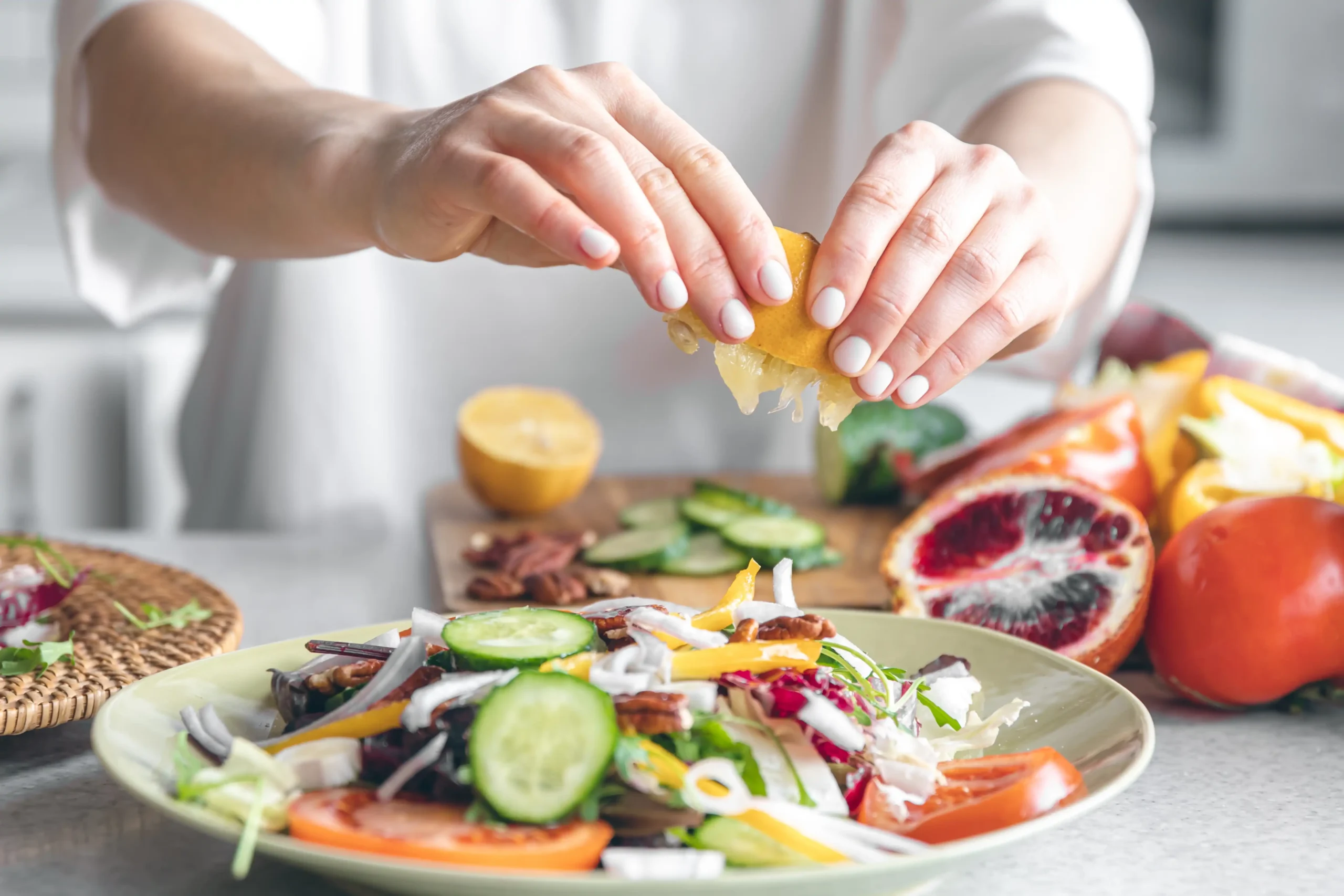
🥦 Vegetables and Salad – Half your plate
Fill half your plate with colourful vegetables and salads, such as:
Steamed or roasted veggies (broccoli, carrots, beans)
Fresh salads with olive oil and vinegar
Stir-fried or raw vegetables for crunch and fibre
Vegetables are high in nutrients but low in calories — perfect for volume without excess energy.
🍚 Carbohydrates – Quarter of your plate
Choose low-GI, high-fibre carbs for long-lasting energy and appetite control:
Pasta or noodles: 1 cup (cooked)
Rice: ⅔–1 cup (cooked)
Potato: ~200 g with skin
Corn or pumpkin: ½ cup
Wholegrain bread: 1–2 slices
Legumes/lentils: 150 g cooked or canned
Dietitian tip: On low-activity days, stick to smaller carbohydrate portions and focus on vegetables first.
🍗 Protein – Quarter of your plate
Protein supports muscle strength, immune health, and satiety. Include:
Lean meat: 120 g cooked (about palm-sized)
Fish/seafood: 150 g cooked
Eggs: 1–2 whole
Legumes/lentils: 150 g
Tofu: 150 g
Dairy: 250 mL milk, ¾ cup yoghurt, or 2 slices (40 g) cheese
Balancing Energy Intake with Activity Levels
Even healthy foods can lead to excess energy intake if portions are too large.
Be mindful of:
Your hunger cues — eat until satisfied, not full.
Your daily movement — less activity means fewer calories needed.
Snacking habits — choose nutritious snacks (fruit, nuts, yoghurt) instead of high-sugar or processed foods.
Foods to Limit
Limit highly processed foods high in added sugars, salt, and saturated fats:
Fried foods, chips, pastries
Soft drinks and sugary snacks
Fast food and processed meats
These should be occasional treats, not everyday staples.
Learn more Healthy Snacks on the Go: Dietitian Top Picks from Australian Supermarkets
Explore our weight management meal plans
Helpful Resources
For detailed, evidence-based recommendations, see the Australian Guide to Healthy Eating.
It provides guidance tailored to your age, gender, and activity level.
Conclusion: Small Adjustments, Big Results
Making mindful adjustments to your portion sizes and food balance can significantly impact your energy, mood, and long-term health.
A dietitian can provide tailored support to match your activity level, goals, and preferences.
Book a consultation with our Accredited Practising Dietitians to create a personalised portion guide.
Tailored Meal Plans
Looking for structure and support? Explore our:
All plans are developed by Accredited Practising Dietitians to help you eat well and feel your best.
Ready to Take Control of Your Eating Habits?
If portion control, meal planning, or eating habits are impacting your wellbeing, our team of Accredited Practising Dietitians can help.
We offer both general nutrition consults and specialised dietitian support (Bariatrics, Women’s Health, Feeding Therapy, Eating Disorders, Gut Health, Sports Nutrition) available online and in person across Brisbane, Gold Coast, Melbourne, Shepparton, Bendigo and Albury-Wodonga.
Contact Appetite for Nutrition today for individual consults or tailored meal plans designed to help you eat well and feel your best.
This blog was updated October 2025.