Balancing Hormones with Nutrition: Dietitian Tips for PCOS
Polycystic Ovary Syndrome (PCOS) affects up to 1 in 10 women of reproductive age and can cause irregular cycles, acne, weight changes, and fertility issues. While medication and lifestyle play key roles, nutrition is one of the most effective tools to support hormonal balance naturally.
At Appetite for Nutrition, our dietitians specialise in helping women with PCOS feel empowered through food — using evidence-based strategies to balance hormones, support metabolism, and improve overall wellbeing.
Understanding PCOS and Hormonal Imbalance
PCOS is linked to insulin resistance and higher androgen (testosterone) levels, which disrupt ovulation and menstrual cycles. A well-designed diet can:
Improve insulin sensitivity
Reduce inflammation
Support liver detoxification (key for hormone clearance)
Regulate blood sugar and mood swings
When your nutrition aligns with your hormonal needs, symptoms like fatigue, cravings, and irregular cycles can significantly improve.
Dietitian-Approved Tips for Balancing Hormones Naturally
1. Choose Low-GI, High-Fiber Carbohydrates
Refined carbs cause insulin spikes that worsen PCOS symptoms. Choose slow-digesting carbs like oats, quinoa, sweet potato, lentils, and leafy greens to keep blood sugar stable.
2. Add Protein to Every Meal
Protein slows glucose absorption, reduces cravings, and supports lean muscle mass — crucial for metabolic health. Include eggs, Greek yogurt, tofu, chicken, or fish, aiming for 20–30g per meal.
3. Include Healthy Fats for Hormone Production
Fats are essential for estrogen and progesterone balance. Add avocado, olive oil, nuts, seeds (especially flax and chia), and oily fish like salmon or sardines.
4. Support Gut Health
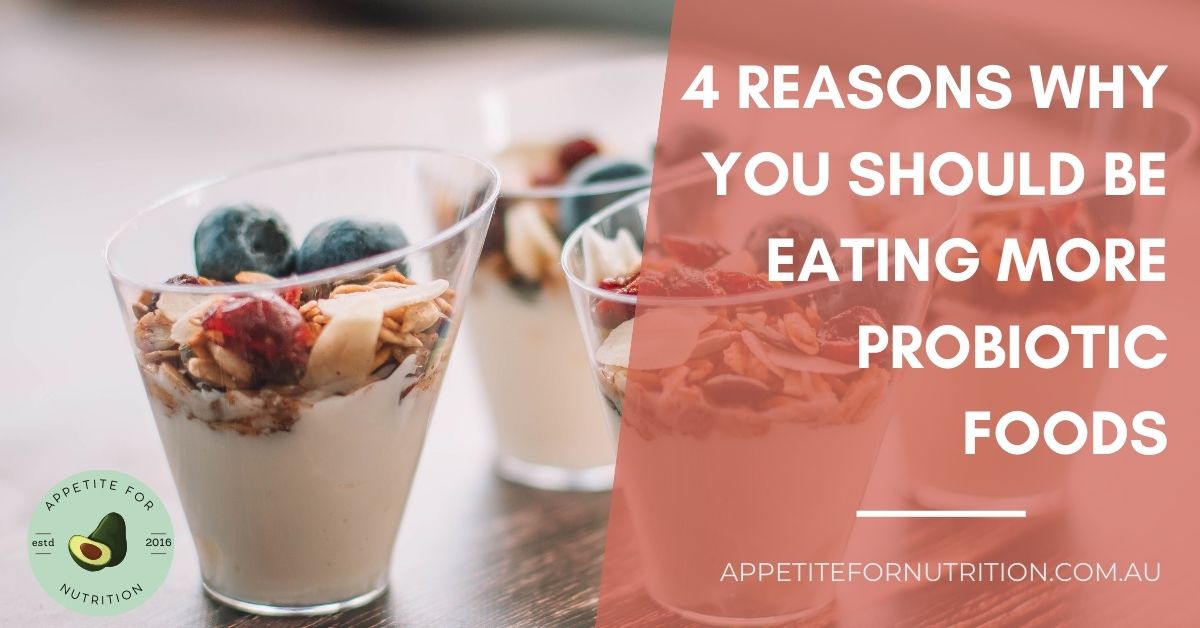
Your gut helps metabolize and eliminate excess hormones. Incorporate fermented foods (yogurt, kefir, kimchi) and prebiotic foods (garlic, onions, asparagus).
Avoid skipping meals — it can raise cortisol and destabilize blood sugar. Eat balanced meals every 3–4 hours to keep energy steady and hunger in check.
6. Minimize Processed Foods
Reduce refined sugars, processed snacks, and soft drinks. Whole, unprocessed foods reduce inflammation and improve insulin sensitivity.
Manage stress: meditation and yoga reduce cortisol
Stay hydrated: helps detoxify hormones naturally
Sample PCOS-Friendly Day (with Portions)
Meal
Example with Suggested Portions
Breakfast
¾–1 cup (170–200g) Greek yogurt with 1 tbsp chia seeds and ½ cup mixed berries
Snack
2 boiled eggs with 1 small cucumber (or 1 cup sliced)
Lunch
1 cup cooked quinoa with 120–150g grilled salmon, 1½ cups mixed greens, and 1 tbsp olive oil dressing
Snack
¼ cup (about 20–25) almonds
Dinner
150g tofu stir-fried with 1 cup cooked brown rice and 2 cups mixed vegetables (e.g., broccoli, capsicum, spinach)
Tip: Adjust portions to suit your energy needs and health goals. For example, active women or those focusing on fertility may require slightly higher carbohydrate intake.
Balancing hormones with nutrition isn’t about restriction — it’s about strategic nourishment. Every woman’s PCOS journey is unique, and working with a professional dietitian ensures your plan is tailored to your body’s needs.
When you nourish your body intelligently, you support not only hormone balance but also energy, mood, and long-term metabolic health.
Ready to Take Control of Your Hormones?
At Appetite for Nutrition, our accredited dietitians specialise in PCOS, hormonal health, and women’s wellness. We provide: