
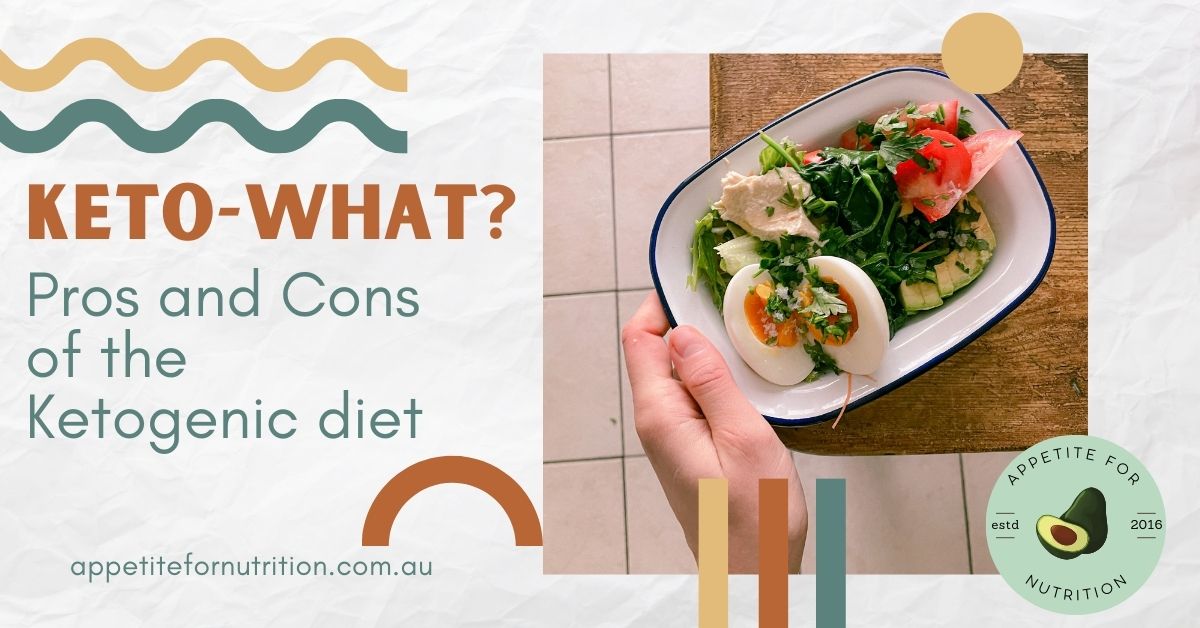
Keto-what? – Pros and Cons of the Ketogenic diet
Understanding the Keto Diet You’ve probably heard of the keto diet — a popular way



Healthy snacking doesn’t have to be confusing, restrictive, or time-consuming. When chosen well, healthy snacks can support energy, reduce cravings, and help you feel satisfied between meals — without guilt.
The problem is that many snacks marketed as “healthy” are low in protein, high in added sugar, and leave you feeling hungry soon after. As dietitians, we often see people struggle not because they snack — but because their snacks aren’t working for them.
This guide explains what actually makes a snack healthy, along with practical ideas you can use at home, at work, or when life gets busy.
A healthy snack should help bridge the gap between meals — not spike blood sugar or lead to overeating later.
In most cases, a healthy snack includes:
Protein – helps you stay full and supports muscle health
Fibre – slows digestion and supports gut health
Healthy fats or whole-food carbohydrates – for sustained energy
Minimal added sugar
As a general guide, aim for:
10–15 g of protein per snack
At least 3 g of fibre
Ingredients you recognise and can pronounce
For evidence-based nutrition advice, the Australian Dietary Guidelines recommend balancing snacks with protein, fibre, and whole foods.
When dietitians choose snacks, we don’t just look at calories.
We consider:
How long the snack will keep you full
Whether it helps stabilise blood sugar
How practical it is for real life
A snack that looks “healthy” on paper isn’t always helpful if it leaves you hungry 30 minutes later. This is why protein, fibre, and satisfaction matter more than perfection.
Protein-rich snacks are ideal if you snack frequently or feel hungry soon after meals.
Examples include:
Greek yoghurt with berries
Cottage cheese with tomato or crackers
Boiled eggs
Protein smoothies
Cheese with wholegrain crackers
For more structured snack ideas, explore our High Protein Recipe Book.
You don’t need to avoid sweet snacks — balance is key.
Healthier sweet snack ideas:
Fruit with nut or seed butter
Greek yoghurt with cinnamon
Dark chocolate (small portion)
Homemade bliss balls
Pairing natural sugars with protein or fats helps prevent energy crashes.
Savoury snacks can be just as nutritious when chosen thoughtfully.
Good options include:
Hummus with veggie sticks
Roasted chickpeas or edamame
Avocado on rice cakes
Nuts and seeds (portion-controlled)
Instead of eating snacks in isolation, pairing foods can make a big difference.
Try combining:
Fruit + protein (apple with yoghurt or cheese)
Carbohydrates + fats (wholegrain crackers with hummus)
Protein + fibre (boiled eggs with veggie sticks)
These combinations slow digestion and help keep energy levels steady.
These snack ideas are quick, flexible, and easy to prepare at home.
Ingredients
¾ cup plain Greek yoghurt
½ cup berries
1 tbsp chia seeds
Cinnamon (optional)
Why it works
High in protein
High in fibre
Supports blood sugar control
Ingredients
1 boiled egg
Cherry tomatoes
2–3 wholegrain crackers
Why it works
Balanced and satisfying
Easy to portion
Ideal for workdays
Ingredients
½ cup rolled oats
¼ cup peanut or almond butter
1 tbsp chia seeds
Splash of vanilla
Mix, roll into balls, refrigerate.
Why it works
Simple ingredients
No baking required
Easy grab-and-go snack
For low-carb snack ideas, see our Keto Recipe Book.
Despite common myths, snacks can support weight loss when chosen well.
Healthy snacking for weight loss focuses on:
Protein-first choices
Portion awareness
Avoiding ultra-processed “diet” snacks
A well-planned snack can reduce overeating later in the day and support consistency.
If convenience is important — especially for work, school runs, or appointments — ready-to-eat options can help.
See our dietitian-approved guide to
healthy snacks on the go from Australian supermarkets, including options from Coles, Woolworths, and Aldi.
(This guide focuses specifically on supermarket snacks.)
Some common pitfalls include:
Choosing snacks labelled “natural” that are still high in sugar
Skipping protein altogether
Over-snacking on nuts or bars
Drinking calories instead of eating
Awareness alone can significantly improve snack choices.
There’s no one-size-fits-all answer.
Some people feel best with:
One snack per day
Others benefit from:
Two planned snacks, especially with long gaps between meals
Your needs depend on appetite, activity level, health goals, and meal timing.
Snack choices can look very different depending on your health goals, lifestyle, or support needs.
Our dietitians can help tailor snack choices as part of:
Weight management
Medical nutrition therapy
👉 Explore our nutrition services or meal plan resources for extra support.
👉 Book a Consultation with an NDIS Dietitian Today
Understanding the Keto Diet You’ve probably heard of the keto diet — a popular way
Understanding the Gut Microbiome The gut microbiome is a community of trillions of microorganisms —
When you’re trying to lose weight, sleep is probably the last thing on your mind.
Late-Night Snacking: Why It Happens Many people find themselves eating late at night — not