

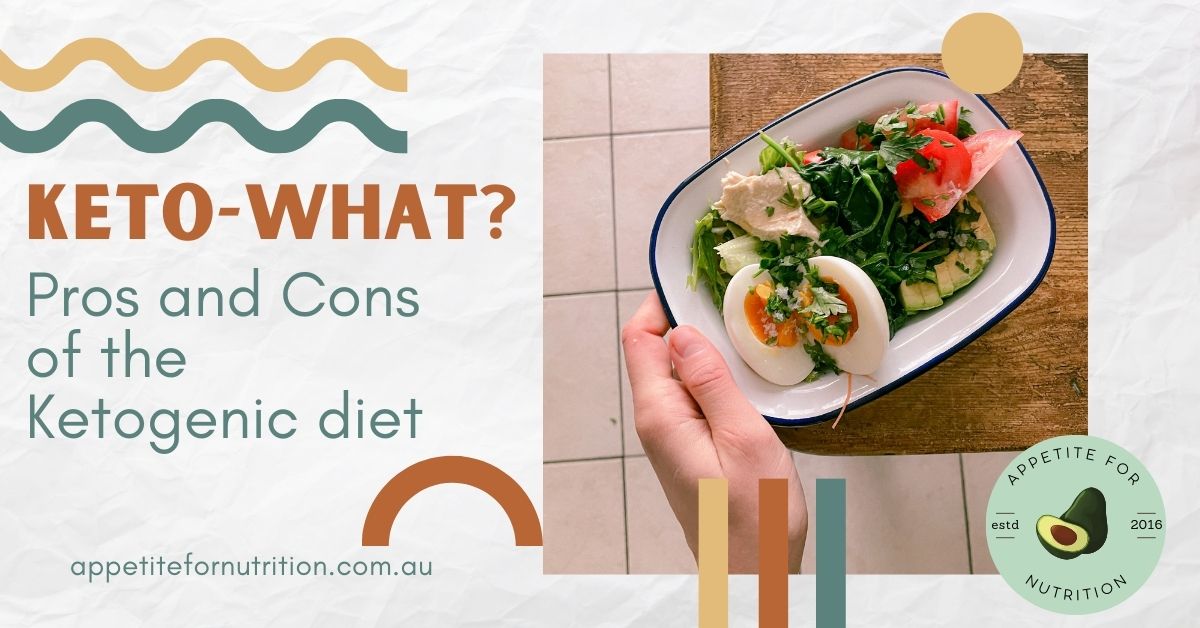
Keto-what? – Pros and Cons of the Ketogenic diet
Understanding the Keto Diet You’ve probably heard of the keto diet — a popular way




Blended tube feeding has become an increasingly recognised and personalised approach to medical nutrition — particularly for individuals who face challenges consuming regular solid foods.
This method involves blending a variety of whole foods to create a liquid or semi-liquid consistency that can be delivered directly into the digestive system via a feeding tube. When implemented correctly, blended tube feeding can provide a nutritionally complete, cost-effective, and well-tolerated option for long-term nourishment.
Many individuals experience less bloating with blended tube feeding compared to traditional enteral formulas. The natural, food-based blend is often easier to digest, helping minimise discomfort and improve tolerance.
Blended feeds often contain more fibre and natural food components, leading to more regular and well-formed stools, which supports gut health and comfort.
Because formulas can be customised, blended tube feeding allows dietitians to match the ingredients to the individual’s digestive capacity and nutrient needs. This results in fewer issues such as reflux or intolerance.
Read more about Gut Microbiome + Probiotics: The Ultimate 2025 Guide to Better Gut Health
A diet based on real, whole foods provides steady, balanced nutrition — often resulting in increased energy levels and reduced fatigue from nutrient deficiencies.
Compared to commercial enteral formulas, blended feeding can be more affordable, especially when prepared at home using everyday ingredients under professional guidance.
The use of a variety of natural foods helps support a diverse intestinal microbiome, improving digestion, immunity, and overall gastrointestinal function.
Learn about Gut Check: How to Recognize and Improve an Unhealthy Microbiome
Blended formulas can include liquids such as water, milk, or broths — helping maintain hydration levels, especially in individuals who struggle with oral fluid intake.
Using real foods can help individuals maintain a connection to the sensory experience of eating — including taste and smell — which can boost emotional wellbeing and quality of life.
Because blends are made from natural, bioavailable ingredients, nutrients are often absorbed more efficiently, improving recovery and overall health.
Blended tube feeding provides flexibility to accommodate dietary preferences, allergies, and cultural considerations, creating a more personal and satisfying feeding experience.
While blended tube feeding offers many advantages, it must be carefully managed to ensure safety and adequacy.
Without professional guidance, blended formulas may not meet all nutritional requirements. Work closely with an accredited practising dietitian to ensure the blend is complete and balanced.
Improper blending or particle size can lead to clogged feeding tubes. Use high-powered blenders and strain the mixture when necessary.
Proper feeding technique and hygiene are critical. Lack of training can cause complications, so ensure regular review by a healthcare professional.
Because real foods are used, strict hygiene and safe food handling practices are essential to prevent contamination or infection.
If not blended or stored correctly, formulas may separate or spoil, affecting texture and nutrient quality. Prepare small batches and refrigerate promptly.
Some individuals may be at higher risk of aspiration. Feeding should always be conducted under medical supervision with proper positioning and monitoring.
Reduced oral stimulation can impact oral and dental health. Regular mouth care and dental check-ups are recommended.
Blended feeding can sometimes lead to social isolation or stigma. Education and open discussion with family, carers, and professionals can help normalise the experience.
While uncommon, some may still experience bloating or intolerance. Adjusting ingredients, feeding rate, or temperature can often resolve this.
A successful blended tube feeding plan should always be supervised by a dietitian or NDIS nutritionist experienced in enteral nutrition. These professionals can:
Assess individual nutrient needs
Develop and monitor personalised recipes
Provide guidance on safe food preparation and storage
Support long-term nutrition management and wellbeing
Blended tube feeding offers a natural, flexible, and personalised approach to enteral nutrition, often improving digestion, energy, and quality of life. However, it requires professional planning and monitoring to ensure it’s nutritionally complete and safely administered.
If you’re considering transitioning to or optimising a blended tube feeding plan, our team of Accredited Practising Dietitians and NDIS nutrition specialists can help design a plan that’s safe, effective, and tailored to your individual goals.
We offer both general nutrition consults and specialised dietitian support (Bariatrics, Women’s Health, Feeding Therapy, Eating Disorders, Gut Health, Sports Nutrition) available online and in person across Brisbane, Gold Coast, Melbourne, Shepparton, Bendigo and Albury-Wodonga.
Contact Appetite for Nutrition today for individual consults or tailored meal plans designed to help you eat well and feel your best.
This blog was updated October 2025.
Understanding the Keto Diet You’ve probably heard of the keto diet — a popular way
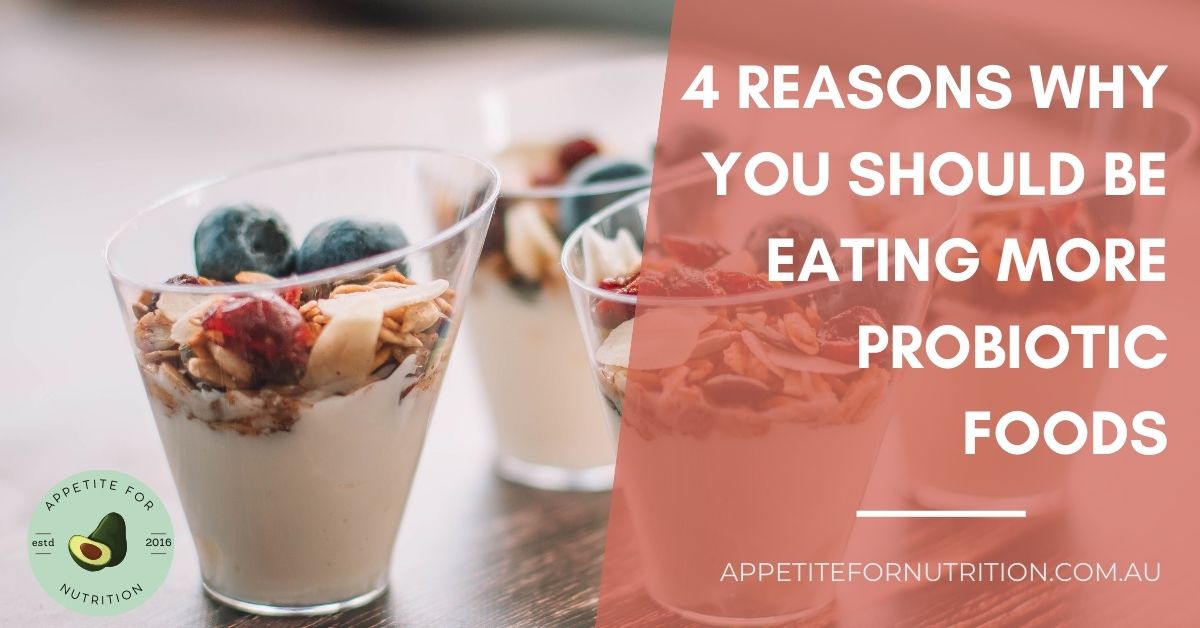
Understanding the Gut Microbiome The gut microbiome is a community of trillions of microorganisms —

When you’re trying to lose weight, sleep is probably the last thing on your mind.

Late-Night Snacking: Why It Happens Many people find themselves eating late at night — not